What I Do on a Rest Day
- pearlhowellfitness
- 4 minutes ago
- 5 min read
Everyone needs a rest day, but this doesn't have to mean derailing your goals or breaking your streak of moving your body every day.
A rest day is about letting your body recover from the exercise you did during the other days of the week, and I would recommend always having one true rest day in your week. This doesn't mean you can't move your body, though! It just means not undertaking any activity that will compromise recovery. However, there are many activities that promote healing and recovery without further taxing your body, and they can be just as important for your health as your more intense workouts.
Here are a few tried-and-true activities I do on a rest day to keep myself feeling present in my body, mobile, and mentally healthy. I have ordered these according to the most beneficial or crucial down to the most optional. All of them have free or low cost options, so you don't have to add expensive recovery tools to your exercise budget.

Sleep. I don't know if I have talked about this enough, but you should be getting your eight hours, and on a recovery day, maybe take a nap if you feel like it! It's hard to get too much sleep (unless you have a sleep condition), so taking some time for some extra Zzz's will be your best strategy for recovery. Poor sleep will take your recovery down, and make every workout harder. This is a big one, and 100% free, so no reason not to make time for extra sleep on your recovery day.
Walk. Bonus points if it is outside. Extra bonus points if it is with another person. Walking brings blood flow into your body, helps with regulating your blood sugar, and keeps joints lubricated. It is low impact. It usually does not irritate or inflame muscles. It is accessible to most. I always try to walk at least 15 minutes, especially on rest days. It will reduce soreness by flushing away some of the lactic acid and inflammation. Truly a great, simple strategy. Hot tip: If you don't have time or a good area for walking, doing a few bodyweight squats can have similar benefits.
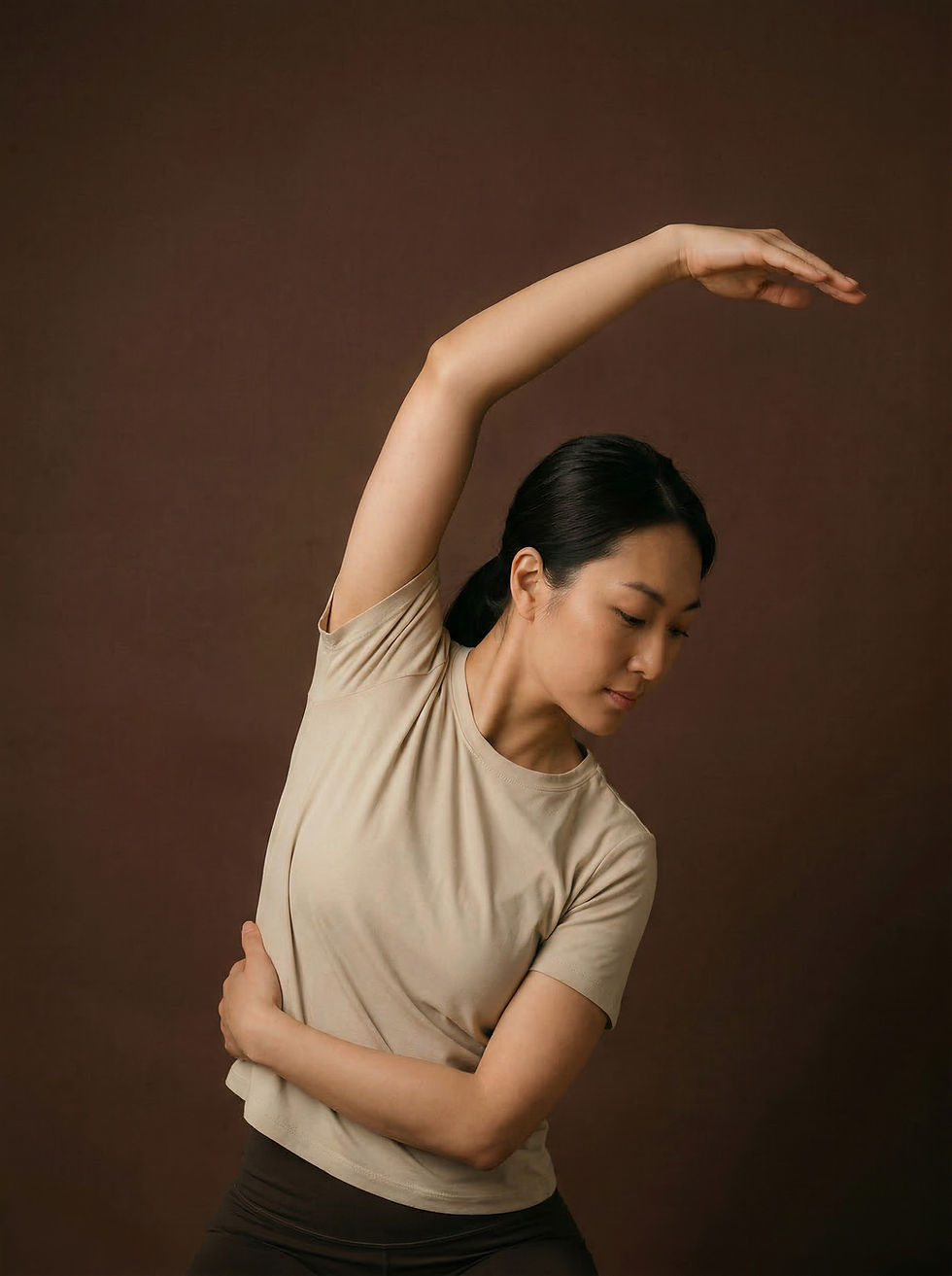
Stretching, yoga, or mobility work. I do not mean an hour-long power yoga session. I hope that is clear. This will not help you recover! I do mean a nice yin or restorative yoga session, 15 minutes of mobility work, or just taking a few minutes to roll around on the floor and stretch out what feels tight. Grab a small, firm ball and roll it along your neck or feet. It's simple. It can be completely free. It can be as little or as much as you want.
Massage/foam roller/lacrosse ball. I say massage, but I really mean any form of fascial release. Massage with a professional is awesome, but you can get some (not all, don't come for me, Big Massage Therapy) of the same benefits from massage tools like a vibrating massage gun, massaging chairs or machines, foam rollers, massage balls or rollers. Getting blood flowing is a big part of recovery, and many forms of fascial release are great at doing that. It can also increase mobility. The fascia can sometimes limit movement, and so working on that limitation can help open up new range, which will help you a lot in your other exercise. Hot tip: Put on a movie or episode of your favorite show, get out your tools, and make it a fully restful and enjoyable time. You'll walk away from the TV afterwards feeling five years younger, I guarantee it!
Non-sleep deep rest. It sounds a little strange, but it basically means any of a variety of strategies for fully relaxing your body. You can do progressive muscle relaxation (there are tons of free guides for this online.) You can practice yoga nidra (again, google it!), or meditation. The idea is to relax. Notice where you are holding tension. This is another strategy that can help with noticing injuries or irritations that are happening before they get serious, and can therefore save you a lot of serious pain by bringing your attention to the minor pain. Hot tip: Do this when you start to feel that afternoon slump. Your body wants rest at this time anyway, and you will get your second wind much faster than if you just powered through or had more caffeine.

Hot and cold therapy. Continuing with the theme of getting blood flowing, work with a little heat or cold. You could absolutely go to a fancy recovery spa for cold plunge, sauna, or hot tub. Some gyms have these things included in membership, so if you are trying to keep the habit of just going to the gym, it can be great. But you can also do the low budget versions. Ice packs. Hot showers (a little aromatherapy as a treat?). Heating pads, which you may already have in your first aid kit. A frozen water bottle can be both cold therapy AND fascial release if you roll it along your muscles, and costs less than $2. Hot tip: Cold tip? Either way, that frozen water bottle rolled under your feet can relieve soreness from long walks or runs as well, so can be great directly after exercise.
That's it! Those are the most accessible, fast, and easy ways you can treat yourself like a Roman emperor on your rest day. You deserve to feel good. These all seem so optional compared to more traditional workouts, but they play a vital role if you are serious about making exercise a sustainable habit. Recovery helps with injury prevention and burn out prevention as well.
In my last post, I wrote about how working out can and should be fun sometimes, and that is true of recovery strategies. There is a whole industry around spas and wellness, making it seem expensive, but you can get many of the same benefits without all the marketing at home. No shaming for those who do go to spas, massage therapists, or special gyms with recovery tools. The gyms I do to regularly also offer sauna, hot tub, or even massage, but I know that isn't for everyone for a variety of reasons.
At least one or two of these recovery strategies should be part of your fitness routine. It is a vital component of self care, and can be an act of love toward yourself, which will bring benefits you never predicted.
Make it a treat. Nothing is better than taking a little time to just be with your body, notice it, and feel what is happening within yourself. I would argue it is a key part of injury prevention, because this noticing will allow you to cut off problems before they become serious. Foam rolling and stretching are my go-tos, and I've started to be able to feel when my herniated discs are getting irritated again and take extra time and care to prevent a major flare-up. I also notice when something new is especially sore and irritated, and can take a minute to look back at my week of training and see if there was a new movement or increase load or intensity that can explain it.
Recovery can seem like yet another chore you have to do for your body sometimes, but if you make it an enjoyable part of your week, you will look forward to recovery day every week. And you don't have to isolate these activities to just a single day, of course. A little stretching at night, or mobility work in the morning, a few walks, a little massage or foam rolling, can all be part of your daily movement and make recovery faster and more effective!
I wish you all the best recovery!


Comments